

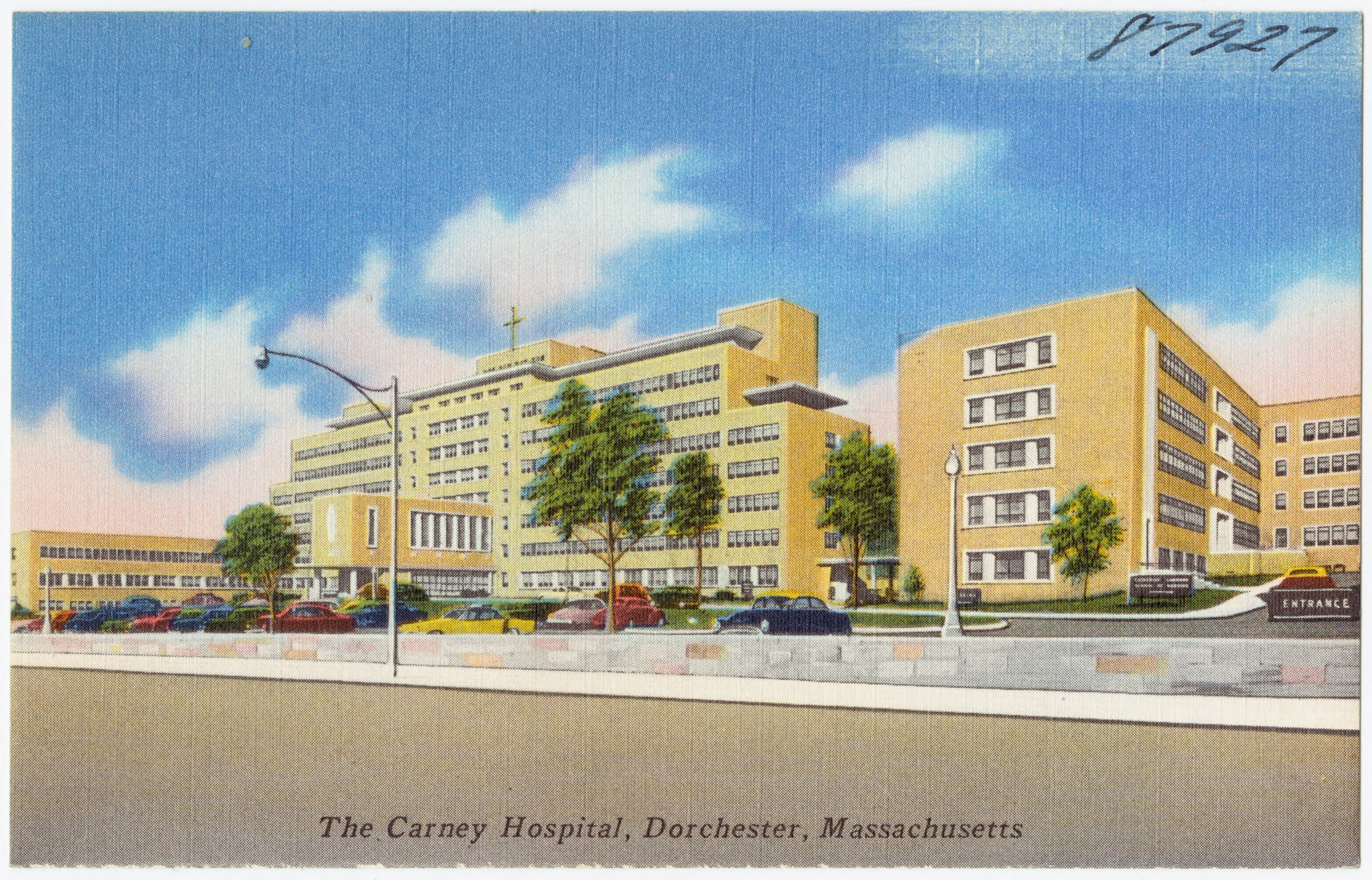
On the morning of August 31, 2024, Carney Hospital in Boston’s Dorchester neighborhood stopped admitting patients. The bankrupt Steward Health Care system had tried to sell it that summer and failed; as Steward told GBH News, no “qualified bids” came in for Carney or for Nashoba Valley Medical Center in Ayer, so both hospitals closed. Massachusetts Governor Maura Healey blamed the “greed and mismanagement” of Steward CEO Ralph de la Torre. The union 1199SEIU, representing nearly 80,000 Massachusetts health care workers, called the decision devastating. In one neighborhood, an emergency department simply ceased to exist — a concrete answer to what patients lose when corporate healthcare logic runs its course: they lose the hospital itself.
Steward’s collapse is the most visible symbol of a much broader transformation. As of January 1, 2026, 82.0% of U.S. physicians were employed by hospitals or corporate entities such as private equity firms and insurers, according to a Physicians Advocacy Institute and Avalere Health analysis — with 253,000 additional physicians becoming hospital or corporate employees and 152,200 fewer physicians operating independently between January 2018 and January 2026. Ownership alone doesn’t determine quality. But the peer-reviewed record now contains specific, measurable patient losses attached to particular ownership models: more falls and bloodstream infections in private equity–acquired hospitals, higher mortality in private equity–owned nursing homes, higher prices after roll-ups, and, in the extreme case, closed emergency rooms in neighborhoods that needed them. This article examines that evidence — including the parts that complicate the simple story — and what it means for anyone who gets sick in America.
The deal that hollowed out a hospital system
Steward Health Care grew out of a private equity strategy: acquire hospitals, load the enterprise with financial obligations, extract value from the real estate, and expand. The Dallas-based company operated more than 30 hospitals nationwide when it filed for Chapter 11 bankruptcy protection early on May 6, 2024, in the U.S. Bankruptcy Court for the Southern District of Texas, as the Associated Press reported. In court filings, the company said it was “marketing all of its hospitals.” Its eight Massachusetts facilities included St. Elizabeth’s Hospital and Carney Hospital in Boston; the state attorney general, Andrea Campbell, pushed for a Patient Care Ombudsman to protect patients and staff through the process. Most Massachusetts Steward hospitals eventually found buyers. Carney and Nashoba Valley did not.
The detail that matters in that PBS NewsHour investigation is the direction of the money: while Steward’s hospitals deteriorated, investors profited. That is the defining asymmetry of the private equity hospital model — the returns are private and front-loaded, the risks are socialized and back-loaded onto patients, staff, and state governments. The Massachusetts experience made that asymmetry visible because a state government had to prepare, in the governor’s words, “diligently for this moment” of closure. Most communities get no such preparation.
What the safety data actually shows
The strongest peer-reviewed evidence on private equity hospitals comes from a team at Harvard Medical School and the University of Chicago. In a study published in JAMA in December 2023, Sneha Kannan, Joseph Dov Bruch, and Zirui Song compared Medicare hospitalizations at private equity–acquired hospitals with matched control hospitals. The results were specific and unsettling: after acquisition, patients experienced a 25.4% relative increase in hospital-acquired conditions — 4.6 additional conditions per 10,000 hospitalizations. The increase was driven by a 27.3% rise in falls and a 37.7% rise in central line–associated bloodstream infections, even though the PE hospitals placed 16.2% fewer central lines, which should have mechanically reduced infection counts. Surgical site infections roughly doubled, from 10.8 to 21.6 per 10,000 hospitalizations, despite an 8.1% drop in surgical volume.
Two honest caveats belong in any reading of that study, because they are the parts corporate-care defenders seize on. First, in-hospital mortality did not rise at the PE hospitals; it actually decreased slightly, and 30-day post-discharge mortality showed no differential change. Second, the PE hospitals admitted modestly younger, less poor patients and transferred more of them out to other acute care hospitals — a pattern the authors noted could shift the sickest patients, and their outcomes, elsewhere in the system. The study proves something narrower than “PE hospitals kill patients”: it proves that after acquisition, patients inside these hospitals fell more and got more preventable infections, the classic signature of reduced nurse staffing and degraded bedside care processes. That is a real loss even when it doesn’t show up in a mortality column.
Nursing homes: where the mortality signal does appear
The mortality evidence that hospitals don’t show does appear in elder care. In NBER Working Paper 28474, issued in February 2021 and revised in August 2023, economists Atul Gupta, Sabrina Howell, Constantine Yannelis, and Abhinav Gupta analyzed patient-level Medicare data across U.S. nursing homes. Their conclusion: private equity ownership “leads to lower-risk patients and increases mortality.” After instrumenting for which patients end up in which homes — the key methodological safeguard, since PE homes could otherwise cherry-pick healthier residents — they recovered a local average treatment effect on mortality of 11%. The mechanisms were concrete: declines in nurse staffing, in measures of patient well-being, and in compliance with care standards. The authors’ own summary is careful: PE had “nuanced effects, with adverse outcomes for a subset of patients.” But for that subset, the outcome was death.
Put the hospital and nursing home findings side by side and a consistent mechanism emerges. It is not that corporate owners want worse outcomes; it is that their financial model rewards aggressive cost reduction in exactly the inputs — bedside nurses, staffing ratios, maintenance, supplies — that patients cannot see when they choose a facility but depend on completely once inside it.
The disappearing independent physician
Corporate healthcare also changes who your doctor works for — and that changes what your doctor can do for you. The PAI–Avalere analysis of national claims and practice data found that as of January 1, 2026, 59.7% of U.S. physicians were employed by hospitals and another 22.3% by corporate entities such as private equity firms and insurers; just 18.0% remained in independent practice. Hospitals and corporate entities acquired 85,000 physician practices between 2018 and 2026 — corporate buyers took 52,300 of them. The shift reached rural America too, where 80.2% of physicians were employees and 67.8% of practices were hospital- or corporate-owned.
Employment status might sound like an HR detail. It isn’t. An employed physician’s referral patterns, visit lengths, test ordering, and even hospital-choice decisions are shaped by the employer’s financial interests — referrals stay in-system, visit templates get shorter, and productivity metrics get attached to compensation. Patients rarely learn that the “independent” judgment they assume they’re getting is mediated by an employer that profits from the decisions. That loss of an agent who works only for you is one of corporate healthcare’s least visible costs.
Prices: the roll-up playbook
When one owner consolidates a market, prices follow. The federal government has now tested that proposition in court. In September 2023, the Federal Trade Commission sued U.S. Anesthesia Partners and its creator, private equity firm Welsh, Carson, Anderson & Stowe, alleging a multi-year scheme to buy up nearly every large anesthesia practice in Texas, set prices with remaining independents, and sideline a competitor — conduct the FTC said cost Texans “tens of millions of dollars more each year” in anesthesia charges. “Private equity firm Welsh Carson spearheaded a roll-up strategy and created USAP to buy out nearly every large anesthesiology practice in Texas,” said FTC Chair Lina Khan in the announcement, framing the case as a direct challenge to “serial acquisitions, roll-ups, and other stealth consolidation schemes.”
The settlement matters beyond Texas: it establishes that the private equity sponsor itself, not just the portfolio company, can face antitrust consequences for a roll-up strategy. Whether that deters future roll-ups depends on enforcement capacity and on how many states adopt their own review of health care transactions — several have moved in that direction since the Steward collapse.
The strongest case for corporate medicine — and why it doesn’t rescue the model
Fairness requires stating the other side. Large systems genuinely can achieve things a stand-alone community hospital cannot: capital for electronic records and equipment, purchasing scale, subspecialty coverage, recruitment pipelines. The JAMA study’s mortality finding — slightly lower in-hospital deaths at PE hospitals — is real, and the NBER nursing home authors themselves describe PE’s effects as nuanced rather than uniformly harmful. Some PE-backed operators point to technology investments and management discipline that struggling independents lacked. Those arguments deserve weight.
But notice what the favorable evidence measures: efficiency, capital access, unchanged mortality. The unfavorable evidence measures what happens at the bedside after the financial engineering is done — more falls, more infections, fewer nurses, closed hospitals. A model can be genuinely good at extracting operational slack and genuinely bad at protecting unprofitable patients in unprofitable places. Both things are true. The question policy has to answer is which one it intends to regulate.
The policy response is catching up
Steward’s failure became a legislative catalyst. On June 11, 2024, Senator Elizabeth Warren announced she was introducing legislation aimed directly at preventing a repeat of the Steward saga.
The Warren proposal is a political act from an interested lawmaker, not a neutral analysis — but it signals how far the Overton window has moved: sale-leaseback deals, private equity extraction, and hospital real estate are now subjects of proposed federal law rather than footnotes in trade journals. Combined with the FTC’s willingness to name a PE sponsor as a defendant and state attorneys general asserting review authority over hospital sales, the regulatory perimeter around corporate healthcare is visibly tightening.
How to read your own hospital’s ownership — and what to ask
None of the research above requires patients to boycott corporate-owned care — often it’s the only care available. But the evidence does suggest a few grounded questions worth asking:
- Who owns the facility, and who owns the building? Steward’s separation of hospital operations from hospital real estate was central to its collapse — and to Carney’s closure when no buyer could take on both.
- Has ownership changed recently? The JAMA study’s safety signal appeared after acquisition, during the cost-restructuring period, which is when staffing and process changes typically bite hardest.
- Who employs your physician? With 82% of doctors now hospital- or corporate-employed, asking directly is reasonable — it clarifies whether a referral recommendation serves you or a system.
- Is your state reviewing the transaction? After Steward, attorneys general like Massachusetts’ Andrea Campbell asserted authority to review hospital sales. A sale under regulatory scrutiny is meaningfully safer for patients than a quiet one.
- For nursing homes specifically: the NBER findings make ownership a legitimate screening question, alongside staffing ratios, when families place a relative.
These questions won’t reverse consolidation. But patients who ask them become slightly harder to treat as passive revenue units — and in a system increasingly organized around ownership rather than community, that posture matters.
What happens to Dorchester now
Return to that locked emergency room. As of mid-2026, the former Carney site’s future remains unresolved — local reporting by the Dorchester Reporter describes a state-organized working group still trying to close the behavioral-health access gap the closure left behind, and community meetings still debating what, if anything, will replace the hospital. The patients didn’t get a vote in any of the transactions that decided their hospital’s fate: not in the original acquisition, not in the real estate deals, not in the bankruptcy court in Texas, and not in the bid process that found them “unqualified” buyers and a locked door instead. That is the deepest loss in the corporatization of care — not any single statistic about falls or infections, but the quiet removal of the community from the list of stakeholders whose interests count. The evidence reviewed here suggests the losses are measurable, patterned, and policy-relevant. Whether the next decade’s patients lose less will depend on whether regulators treat the Steward file as a warning or as a template.
References
- GBH News (WGBH) — “Carney Hospital and Nashoba Valley Medical Center to be closed by bankrupt Steward Health Care” (July 26, 2024): https://www.wgbh.org/news/health/2024-07-26/carney-hospital-and-nashoba-valley-medical-center-to-be-closed-by-bankrupt-steward-health-care
- Associated Press — “Steward Health Care says it is selling the 30+ hospitals it operates nationwide” (May 2024): https://apnews.com/article/steward-hospital-bankruptcy-264edc6309f7b9eaa309c4113211ce30
- Kannan S, Bruch JD, Song Z — “Changes in Hospital Adverse Events and Patient Outcomes Associated With Private Equity Acquisition,” JAMA (December 2023): https://doi.org/10.1001/jama.2023.23147
- Gupta A, Howell ST, Yannelis C, Gupta A — “Owner Incentives and Performance in Healthcare: Private Equity Investment in Nursing Homes,” NBER Working Paper 28474 (February 2021; revised August 2023): https://www.nber.org/papers/w28474
- Physicians Advocacy Institute and Avalere Health — “Physician Employment Trends and Practice Acquisitions, 2018–2026” (accessed July 24, 2026): https://www.physiciansadvocacyinstitute.org/PAI-Research/PAI-Avalere-Health-Report-on-Physician-Employment-Trends-and-Practice-Acquisitions-2018-2026
- Federal Trade Commission — “FTC Challenges Private Equity Firm’s Scheme to Suppress Competition in Anesthesiology Practices Across Texas” (September 2023): https://www.ftc.gov/news-events/news/press-releases/2023/09/ftc-challenges-private-equity-firms-scheme-suppress-competition-anesthesiology-practices-across
- STAT (X) — post reporting the FTC settlement with Welsh Carson (January 17, 2025): https://x.com/statnews/status/1880372509956039164
- Sen. Elizabeth Warren (X) — post announcing legislation responding to the Steward collapse (June 11, 2024): https://x.com/SenWarren/status/1800525703122968962
- PBS NewsHour (YouTube) — “Investigation reveals how investors made millions as Steward Health Care system collapsed”: https://www.youtube.com/watch?v=WAv–ExAhZY
- PBS NewsHour (YouTube) — “The impact of private equity’s expansion into health care”: https://www.youtube.com/watch?v=HRG8j3ndBxI
- Boston Public Library via Wikimedia Commons — “The Carney Hospital, Dorchester, Massachusetts (87927),” public domain: https://commons.wikimedia.org/wiki/File:The_Carney_Hospital,_Dorchester,_Massachusetts_(87927).jpg